Imagine this: A 22-year-old in Bhubaneswar, once full of promise, hangs himself after blowing through lakhs in online games, leaving his family shattered and questioning how a simple app could lead to such despair. Or picture an 18-year-old in Rudrapur, overwhelmed by mounting debts from fantasy bets, who swallows poison and never wakes up – another young life snuffed out by the thrill of a digital win.
These aren’t just headlines; they’re heartbreaking realities that have piled up across India, with reports linking gaming addiction to suicides, family breakdowns, and even murders over the last couple of years. So, when the Lok Sabha quickly passed the Promotion and Regulation of Online Gaming Bill, 2025, on August 20, 2025—amid protests—did it feel like a long-overdue wake-up call? Or a rash overreach that could crush a thriving industry while ignoring the root causes?
As someone who’s watched India’s tech scene evolve from afar, I find myself pondering: In our quest for entertainment, are we gambling away more than just money? This bill draws a stark line—banning real-money games like Dream11 while boosting esports and social play—but with the dust still settling, the big question looms: Will it save lives or just spawn underground chaos? Let’s unpack what this means for startups, players, and the $3.8 billion gaming juggernaut that’s hooked over 500 million Indians.
The Dark Side of Gaming That Sparked a Ban
Addiction’s a big reason, but it’s not the whole story. Real-money games were wrecking lives—multiple suicides tied to gaming debts. Dig deeper, and you’ll see a darker picture.
Offshore platforms fueled financial scams, dodging taxes and enabling money laundering, with some even tied to terror financing. States like Tamil Nadu had already cracked down, while courts bickered over whether games like rummy were “skill” or “chance.” Toss in predatory ads with Bollywood stars luring young players with false promises, and the government was bound to see red.
The 2025 bill’s ban aims to stop these harms, even at the cost of a $3.8 billion industry and ₹20,000 crore in taxes. But what about the jobs? Stay tuned—we’ll get there.
What’s in the Bill? Buckle Up, It’s a Wild Ride
So, what’s the deal with this Promotion and Regulation of Online Gaming Bill, 2025, that’s got everyone in a tizzy? Passed in a blink on August 20, 2025, it’s not just a slap on the wrist—it’s a full-on knockout punch to real-money gaming.
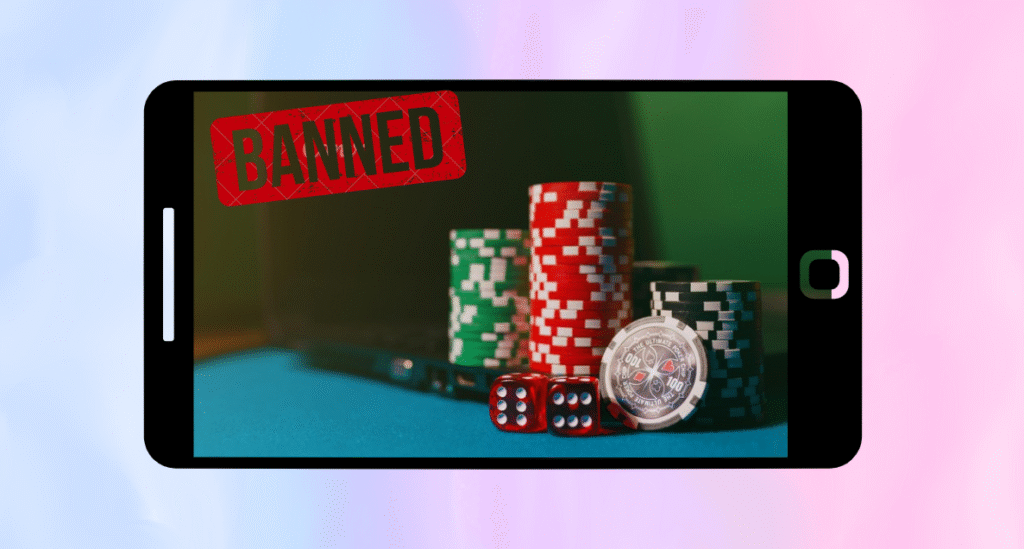
First off, it bans all real-money games—whether you’re a poker shark or just picking your fantasy cricket team on Dream11. If there’s cash staked for a payout, it’s illegal, no matter if it’s skill or luck. No loopholes, no exceptions.
Want to advertise these games? Nope. Even those glitzy Bollywood-starred ads are toast, with influencers facing up to two years in jail or ₹50 lakh fines. And don’t even think about using your UPI app—banks and fintech are barred from touching gaming transactions.
The punishment? Brutal. Running a real-money platform could land you three years behind bars and a ₹1 crore fine. Get caught again, and it’s up to five years with a ₹2 crore hit. Oh, and these are cognizable, non-bailable offenses, so cops can swoop in without a warrant. Players, though, get a pass—they’re seen as victims, not criminals.
On the flip side, the bill’s got a soft spot for esports and social games. It sets up a National Online Gaming Authority to sort games into “okay” and “no way” buckets, register platforms, and handle complaints. Esports gets a big high-five—think PUBG tournaments or BGMI showdowns—now officially a sport with government-backed training academies and national sports policy love. Social games, like those ad-driven mobile puzzlers, are also greenlit, as long as no cash prizes are involved.
It’s a bold move—smashing one industry to protect players while boosting another to make India a global gaming hub. But is it too heavy-handed? That’s the million-dollar question.
The Big Hit: How the Ban Shakes Up India’s Gaming World
Alright, let’s cut to the chase – this bill feels like a plot twist nobody saw coming. The Promotion and Regulation of Online Gaming Bill, 2025, isn’t just ink on paper; it’s a potential earthquake for a sector that’s ballooned to a $3.8 billion valuation, hooking over 500 million players. But with real-money gaming – think fantasy sports and card games – now outlawed, the fallout could be brutal. We’re talking job carnage, revenue black holes, and a scramble for survival. Here’s the lowdown on the key players, the risks, and the ripple effects.
First, the heavyweights taking the punch: Dream11, the fantasy cricket kingpin backed by Tiger Global and valued at billions, could see its core business evaporate overnight. Then there’s Mobile Premier League (MPL), a unicorn that’s raised over $350 million and boasts games like rummy and poker—poof, gone. My11Circle, Games24x7 (behind RummyCircle), and WinZO are in the crosshairs too, with platforms that thrived on real-money stakes. Even listed players like Nazara Technologies, which dabbles in real-money segments, might watch their stocks tank as investors bail. These aren’t small fry; they’ve poured money into cricket sponsorships and celebrity tie-ups, fueling India’s sports economy.
Job losses? Buckle up—industry watchers are sounding alarms over more than 200,000 roles vanishing, from developers and marketers to customer support in bustling hubs like Bengaluru and Mumbai. That’s not just numbers; it’s livelihoods upended in a sector that employs young tech talent. The All India Gaming Federation (AIGF) is already crying foul, warning that startups could shutter, leaving a talent drain and economic ripple in related fields like advertising and fintech.
Beyond jobs, the hits keep coming. Revenue? Kiss goodbye to ₹15,000-20,000 crore in taxes that real-money gaming pumped into government coffers annually. Investments? Expect a chill—FDI worth ₹25,000 crore could flee as VCs pivot elsewhere. Sports sponsorships, especially cricket, might dry up, hurting leagues like the IPL. And here’s the kicker: critics fear users will flock to unregulated offshore apps, boosting black markets, fraud, and even more addiction without oversight.
On the brighter side? Esports could explode, with new jobs in training and events, positioning India as a global contender. Some platforms might pivot to skill-based, non-money games, but that’s a tough reboot. Legal battles are brewing too—expect court challenges arguing the ban violates free trade rights.
In my view, this could be a watershed moment: cleanse the sector or cripple it? Only time will tell. But for now, the industry’s holding its breath.
Game Over or New Playbook? What’s Next for Gaming Giants
The ban’s a gut punch for real-money gaming giants like Dream11 and MPL—where do they go from here? I’m betting these unicorns won’t fold easily.
Dream11, a fantasy cricket titan backed by Tiger Global, and MPL, flush with $350 million in funding, face a cliff: real-money games fuel 85% of their revenue. Games24x7, WinZO, and even listed Nazara Technologies are staring at the same abyss, with stock dips already spooking investors.
So, what’s the play? Some are eyeing esports, now government-blessed, or social games like ad-driven puzzlers.
But pivoting’s no picnic—esports profits are thin, and rebuilding takes years. A few might try going global, targeting markets like Southeast Asia, though India’s their cash cow.
Industry buzz hints at legal battles, with firms arguing the ban violates free trade rights, citing court rulings that skill games aren’t gambling. The risk? Players jumping to offshore apps, boosting black markets and fraud. Esports could spark new jobs, but for these giants, it’s adapt or die.
A Risky Bet or a Necessary Call?
India’s gaming ban is a high-stakes move—saving lives from addiction’s grip while gutting a $3.8 billion industry with 500 million players. With multiple suicides, financial scams, and terror-financing fears, the government’s not wrong to act. But torching ₹20,000 crore in taxes and 200,000 jobs? That’s a steep price. Regulation, not a ban, could’ve balanced safety and growth.
Now, esports might shine, but real-money giants face a brutal reboot, and players could turn to shady apps. As I see it, this is less a reset than a roll of the dice. Will India’s tech dream soar or crash? Let’s wait & watch.