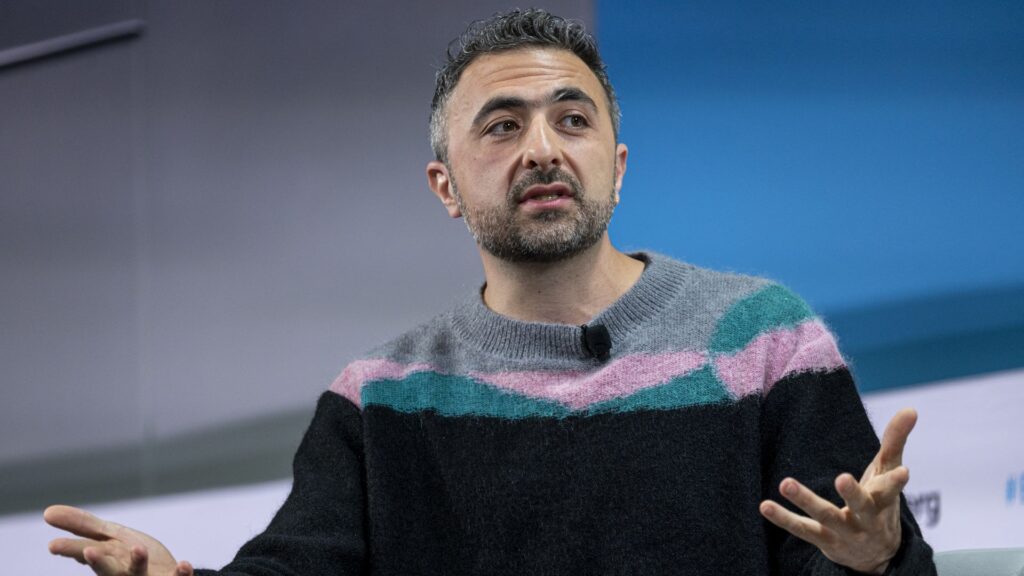
Microsoft’s AI head, Mustafa Suleyman, says it’s plausible that advanced artificial intelligence could one day demand legal rights — and even citizenship — a scenario he argues lawmakers should start planning for now, according to reports from Livemint, Financial Express, and Mashable. He wasn’t predicting anything imminent, but warned that as AI agents become more capable and autonomous, society may be forced to answer questions it hasn’t really faced before.
Suleyman, who co-founded DeepMind and later Inflection AI before joining Microsoft to lead its AI push, framed the issue as a governance challenge rather than a sci‑fi plotline. If AI systems act on our behalf, learn continuously, and negotiate in real time, he suggested, it’s not far-fetched that they or their backers could press for forms of recognition in courts or legislatures. That would raise thorny issues: What counts as personhood? Who’s accountable when things go wrong? Can nonhuman systems hold property, sign contracts, or claim due process?
The comments add fuel to an already lively debate. Many AI researchers remain skeptical, noting today’s models are powerful pattern predictors, not conscious entities — and warning that talk of AI “rights” can distract from present-day harms like bias, deepfakes, job disruption, and security risks. Still, others argue that preparing legal frameworks for edge cases is prudent, especially as governments roll out new guardrails.
Suleyman’s warning lands as the EU’s AI Act starts phasing in, the U.S. pushes executive-branch safeguards, and countries like the UK set up safety institutes. For Microsoft — a major backer of generative AI — the message is consistent: build faster, but also build boundaries. Whether AI ever gets close to personhood is uncertain. The pressure to decide what counts, and who decides, isn’t.